


How to Evaluate an Industrial EPC Contractor Before Awarding a Project
Selecting an industrial EPC contractor requires more than comparing quotations and completed projects. Plant owners need to establish whether the contractor has the relevant experience, technical resources, quality controls, and execution plan to deliver the specified scope.
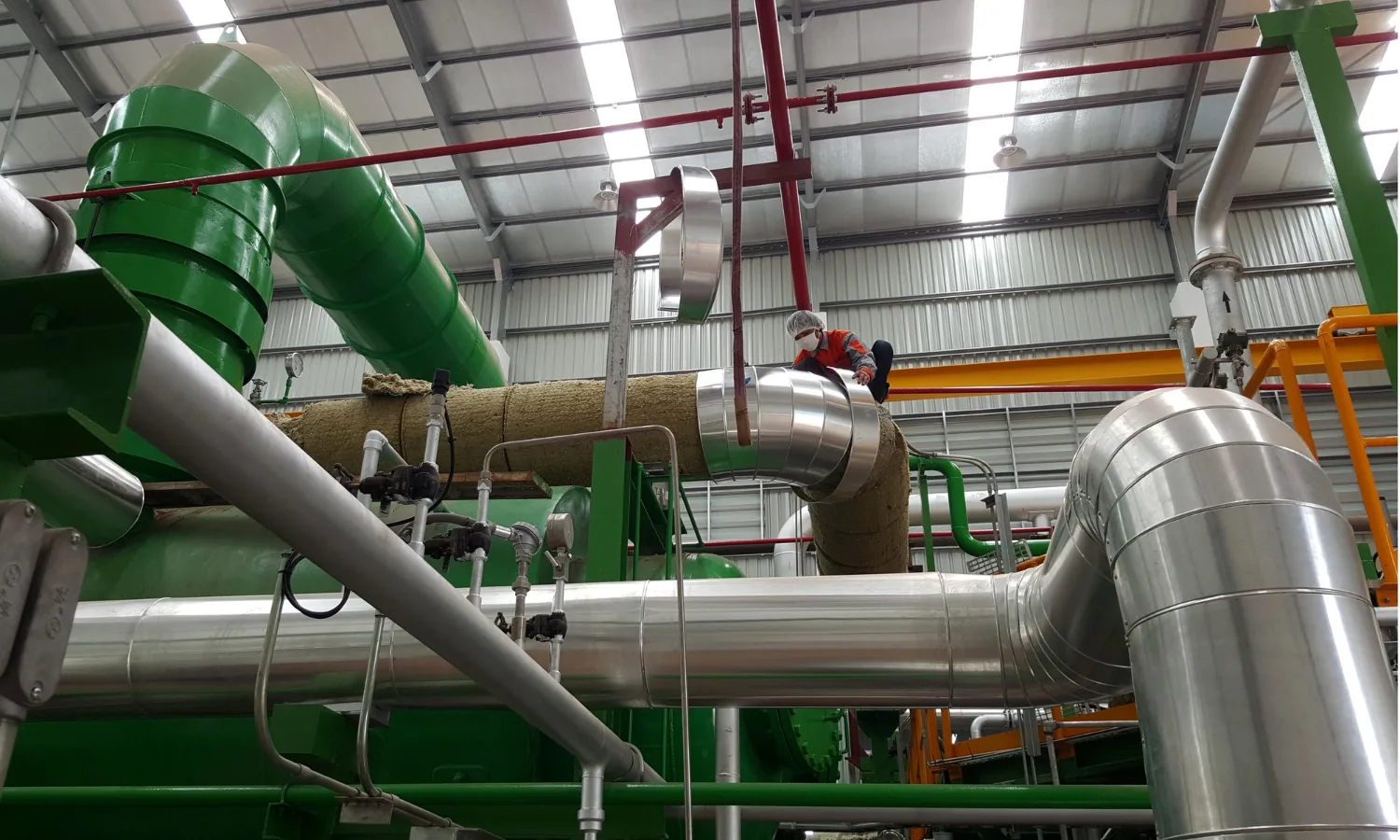
Southern Engineering Erectors (SEE) has more than 35 years of industrial experience and over 400 executed projects across power and process industries. Its capabilities include engineering, procurement, fabrication, piping, equipment erection, inspection, testing, and commissioning.
An engineering revision can affect material orders and fabrication schedules, while dimensional errors may cause fit-up problems during erection. Missing inspection records or incomplete test preparations can also delay handover. Contractor evaluation should establish how the proposed team identifies, tracks, and resolves these issues across the project.
Assess Relevant Project Experience and Engineering Capability
A contractor's project history is useful only when completed work is comparable to the proposed scope. Examine the industry, system complexity, project scale, operating conditions, and extent of the contractor's responsibilities.
Review documented project references to establish whether the contractor handled engineering, procurement, fabrication, erection, or the complete contracted package. Where possible, verify the actual scope through project records and client references.
Assess the engineering resources assigned to the project, the procedures for reviewing and approving drawings, and how design changes are communicated to procurement, fabrication, and site teams. For brownfield projects, also verify how existing equipment, piping routes, structural constraints, and tie-in points will be surveyed before installation.
Constructability reviews and timely resolution of technical queries help prevent discrepancies from reaching the fabrication shop or construction site.
Examine Procurement, Fabrication, and Quality Controls
Engineering decisions influence material specifications, equipment selection, procurement schedules, and fabrication requirements. Evaluate how the contractor coordinates these activities rather than managing them as isolated work packages.
Check how material requirements are established, vendors are selected, technical submittals are reviewed, and deliveries are tracked against the construction schedule. Long-lead equipment and critical piping materials require particular attention because late deliveries can interrupt installation.
Fabrication capability should be assessed against the actual project requirements. Relevant evidence includes workshop infrastructure, equipment capacity, dimensional inspection methods, welding procedures, welder qualifications, and inspection records.
For piping and pressure-related work, review material traceability, weld documentation, non-destructive testing (NDT), and testing records. Identify the applicable statutory requirements at the outset, including Indian Boiler Regulations (IBR) requirements where the boiler or piping work falls within their scope. Confirm the required inspections, approvals, certifications, and documentation with the project's responsible technical and statutory authorities.
The objective is to establish whether the contractor has the facilities, qualified personnel, and quality controls necessary for the specified work.
Evaluate Project Planning, Site Execution, and Safety
A credible execution plan connects engineering releases, material availability, fabrication priorities, manpower deployment, and site installation. A schedule showing completion dates without explaining these dependencies offers limited assurance of delivery capability.
Ask how the contractor monitors progress, controls drawing revisions, resolves interface issues, and responds to material delays. For projects within operating plants, assess how site access, shutdown windows, existing installations, and planned tie-ins are incorporated into the execution sequence.
Review the project-specific safety plan, including lifting plans, work-at-height controls, hot-work permits, equipment isolation, and other controls relevant to the scope and site conditions.
The contractor should explain how work is authorized, inspected, and monitored at the site. Effective planning and supervision help reduce rework, unsafe conditions, and delays caused by poorly coordinated activities.
Compare Commercial Terms and Project Responsibilities
The lowest quotation does not necessarily represent the lowest project cost. Differences in scope, material specifications, resource allocation, quality provisions, and commissioning responsibilities can make bids difficult to compare directly.
Before awarding the contract, examine:
- Scope and exclusions
Confirm the supply, installation, testing, and documentation responsibilities included in the price.
- Schedule and resources
Check whether completion dates are supported by realistic procurement lead times, manpower, and fabrication capacity.
- Change management
Establish how engineering revisions, additional work, delays, and variations will be assessed and approved.
- Commercial obligations
Review payment milestones, variation and claims procedures, delay provisions, acceptance criteria, and handover responsibilities. Confirm that these terms align with the technical scope and project schedule.
Clear contractual boundaries reduce disputes when work packages overlap. A fair evaluation compares technical suitability, commercial value, and execution risk rather than selecting a contractor on price alone.
Check Testing, Commissioning, and Handover Readiness
Installation completion does not automatically mean a plant is ready for operation. Systems may still require inspections, specified tests, equipment checks, documentation, and closure of outstanding items.
Before award, confirm how the contractor will define system completion, plan required inspections and tests, maintain quality records, manage outstanding items, and prepare handover documentation. The contract should also identify who is responsible for pre-commissioning, commissioning, and final acceptance.
Planning these activities from the outset allows testing requirements to be incorporated into engineering, procurement, fabrication, and construction. Leaving them until the end can expose missing records, incomplete work, and unresolved technical issues when corrections are more disruptive.
How Southern Engineering Erectors Supports Industrial EPC Projects
Southern Engineering Erectors (SEE) brings engineering, fabrication, and site execution together across industrial projects in the sugar, distillery, cogeneration, power, and process industries. Its capabilities include industrial piping, tanks and structures, equipment erection, quality assurance, inspection, and testing.
For plant owners evaluating an EPC contractor, the ability to coordinate these activities is as important as the experience in each individual area. Engineering decisions must translate into fabrication requirements, site installation must follow the planned sequence, and inspection and testing must support project completion. These connections are central to assessing whether a contractor is equipped to execute the agreed scope effectively.