


 Featured
How to Evaluate an Industrial EPC Contractor Before Awarding a Project
Selecting an industrial EPC contractor requires more than comparing quotations and completed projects.
Read articleStories, perspectives, and practical guidance from our engineering teams — covering EPC contracting, industrial piping, and plant execution.


Practical articles from our engineering teams on industrial piping, boiler pressure parts and plant execution — drawn from decades of work on site.
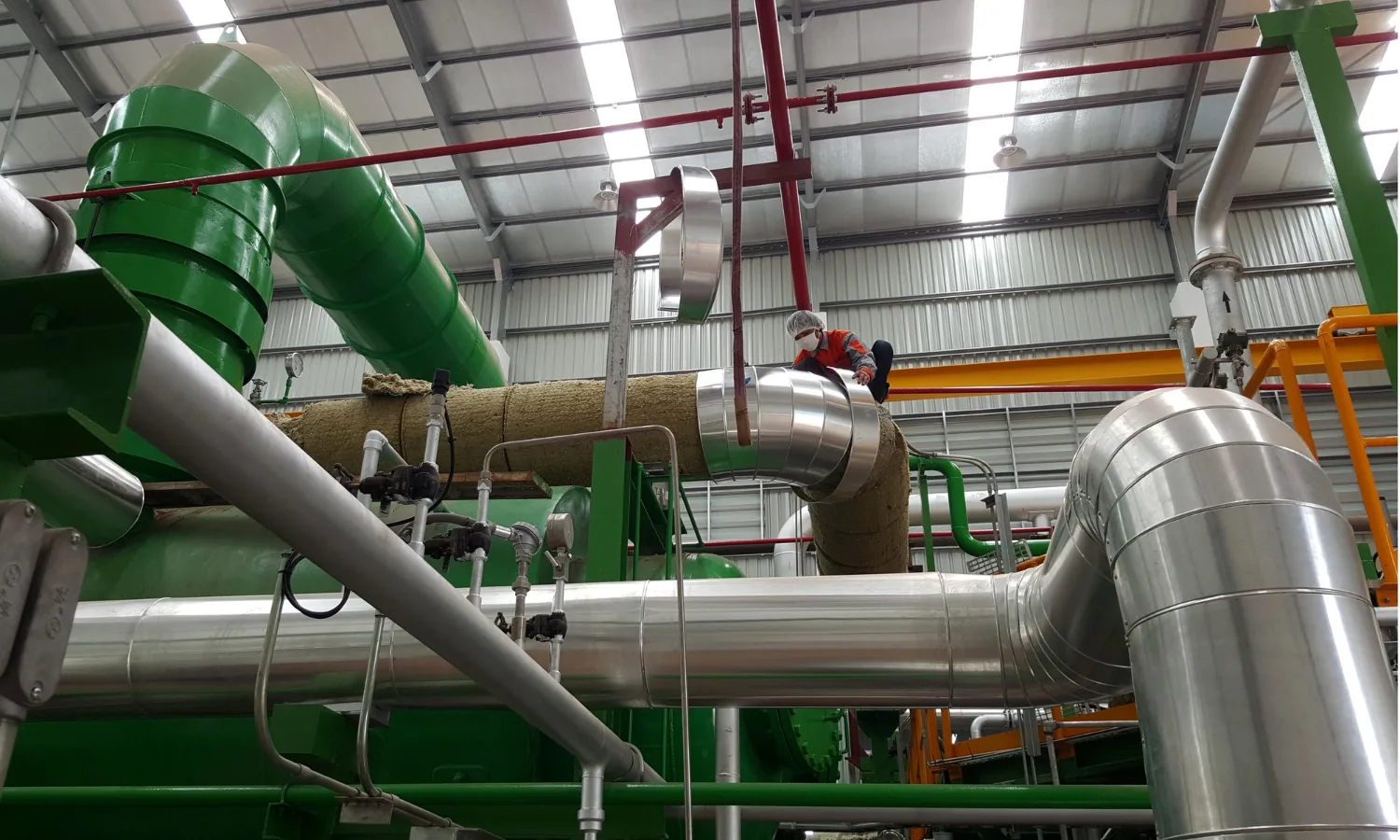
Steam turbine installation requires precise equipment positioning, coordinated mechanical and piping work, and systematic verification before commissioning can begin.
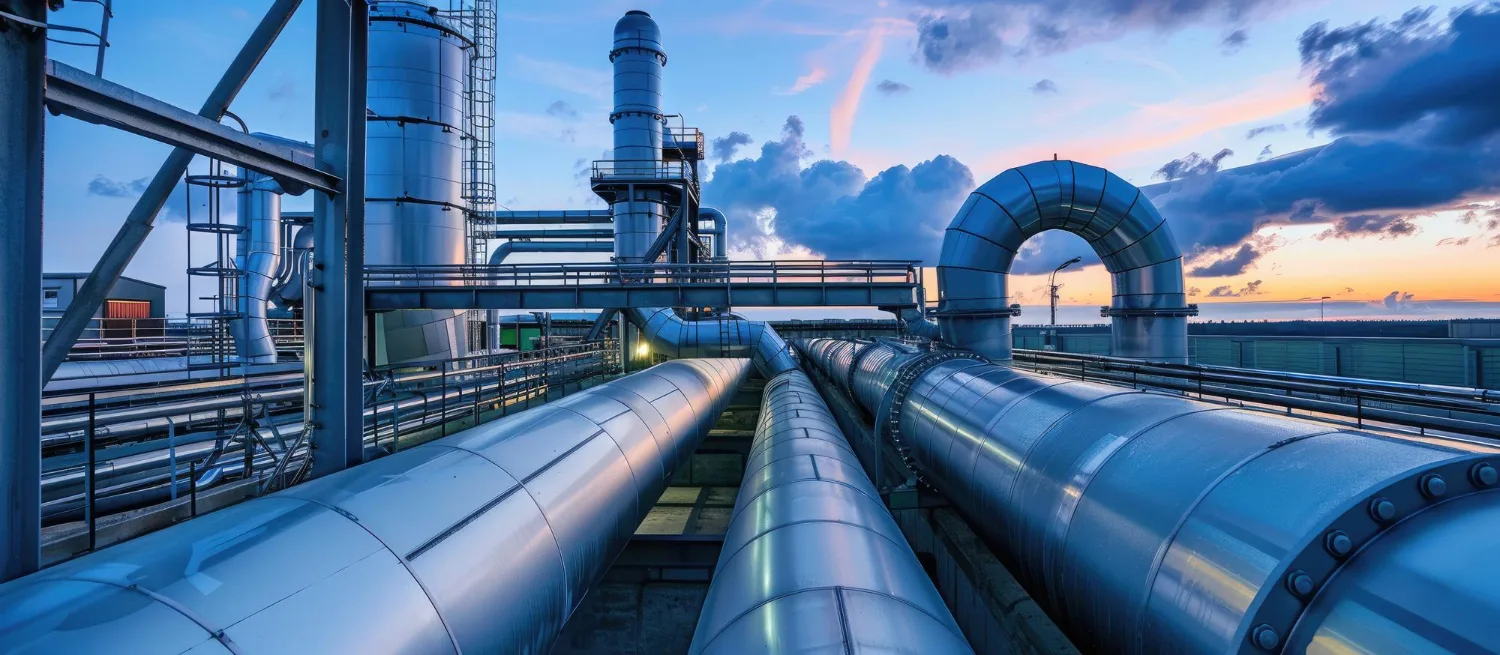
P91 and P22 are chromium-molybdenum alloy steels used in power generation and industrial facilities operating at elevated temperatures.
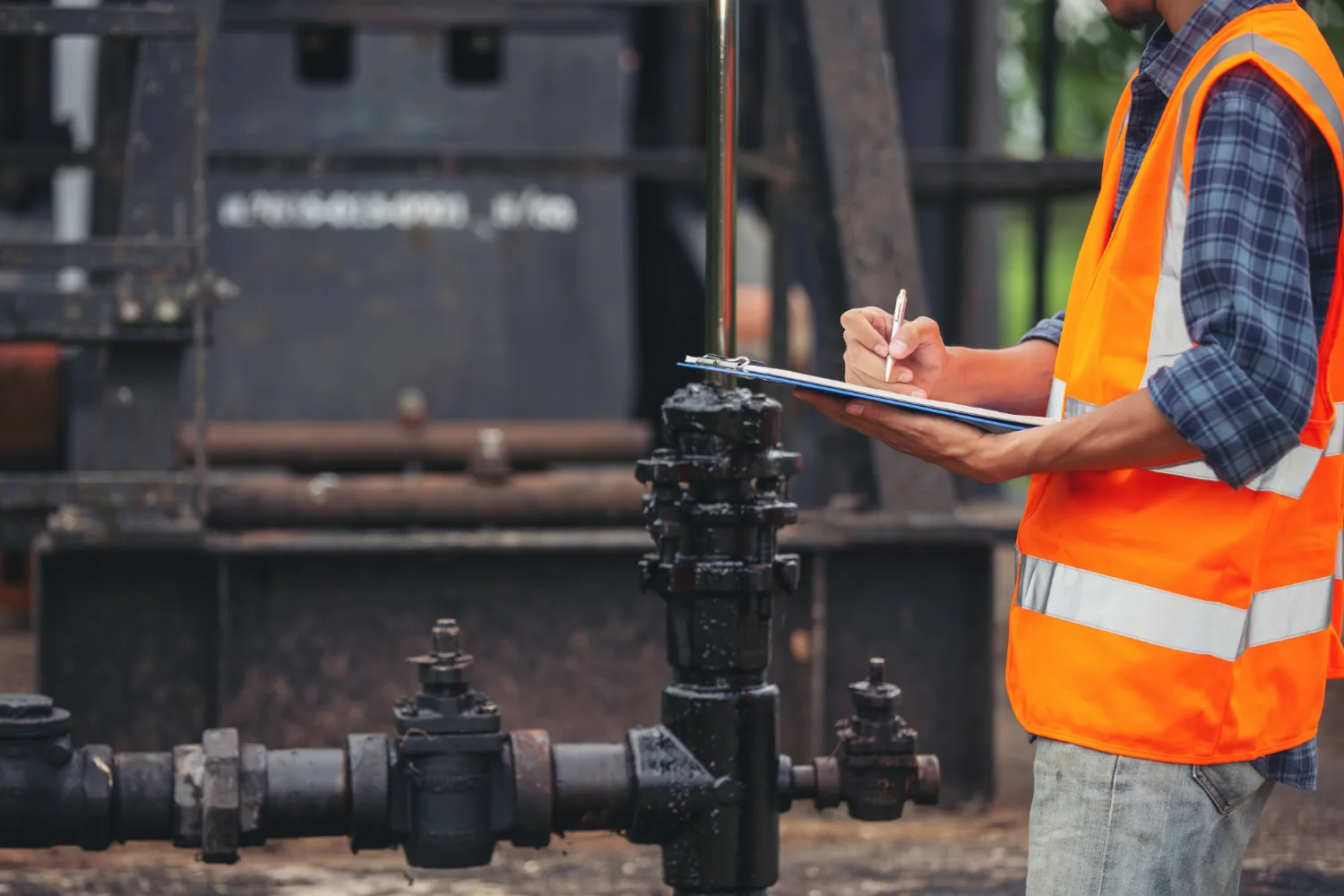
A plant can look physically complete without being ready to operate.
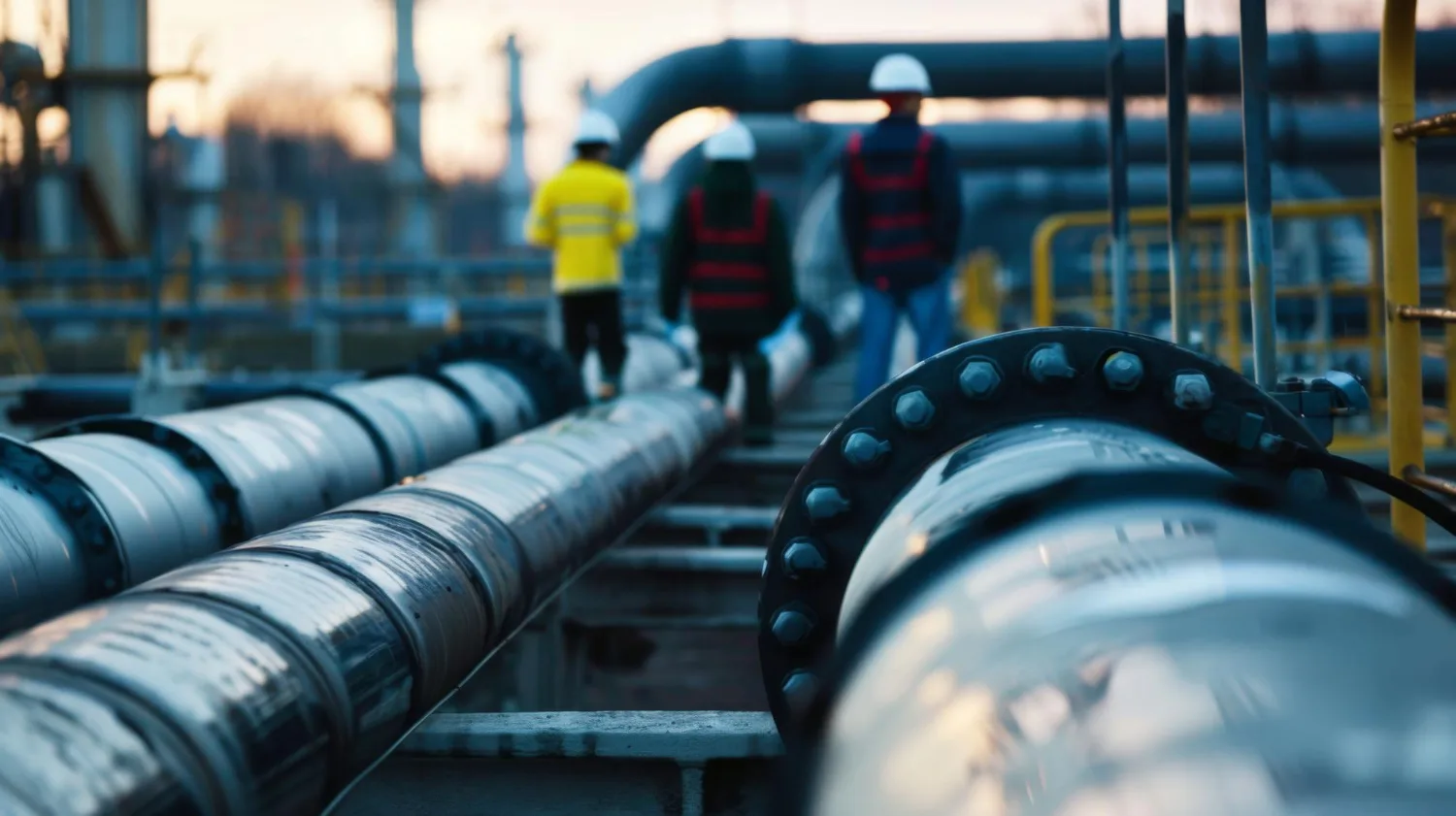
High-pressure piping requires strict control over fabrication, welding, inspection, and testing.
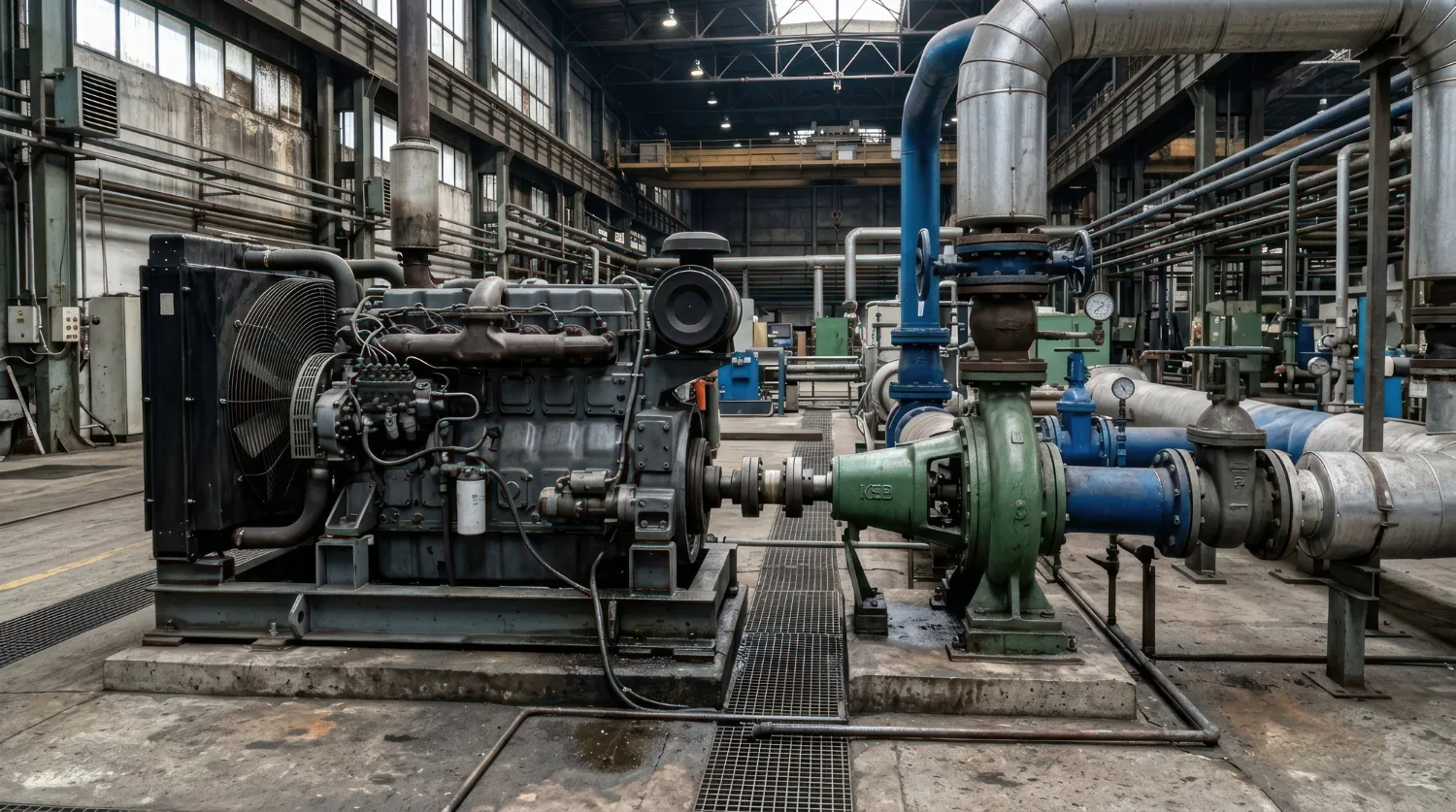
Turbine generator erection is a precision-driven mechanical activity where installation quality can directly affect equipment reliability, vibration, maintenance, and long-term plant performance.
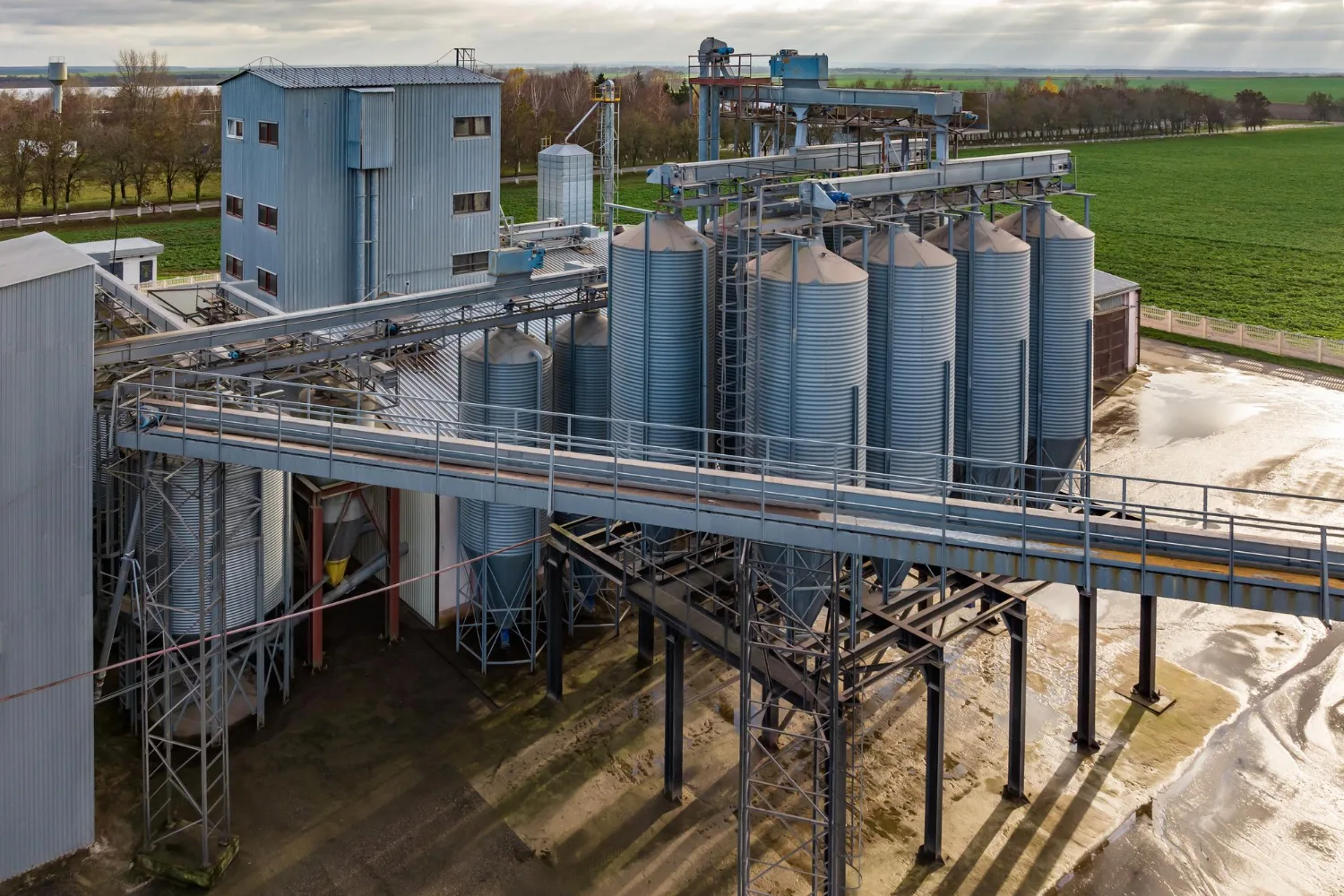
India’s sugar plants are becoming increasingly integrated, with modernisation, capacity expansion, cogeneration, distillery, and ethanol projects adding new layers of engineering and execution requirements.
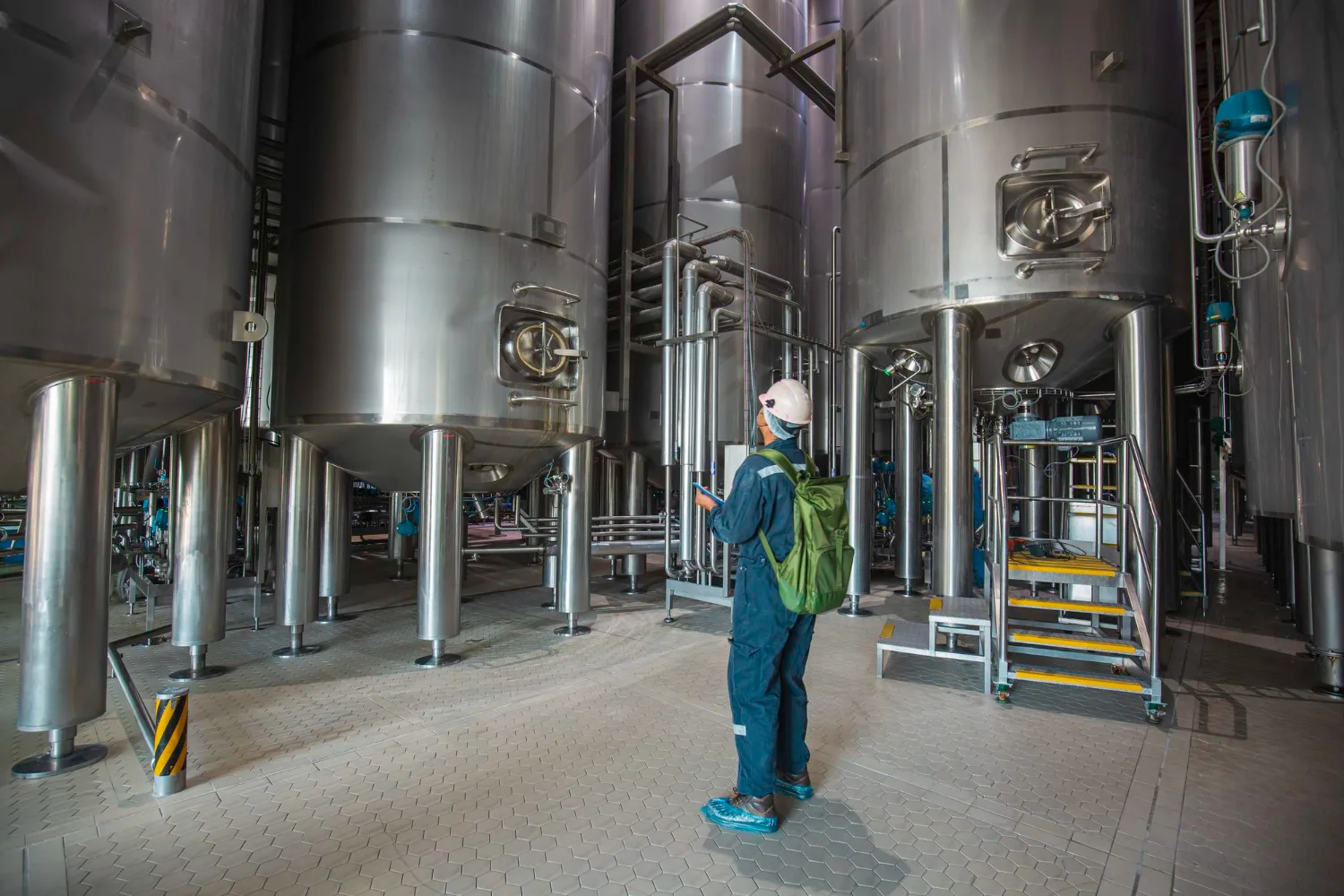
Ethanol plants may produce the same final product, but the engineering and execution requirements can vary significantly depending on the feedstock.
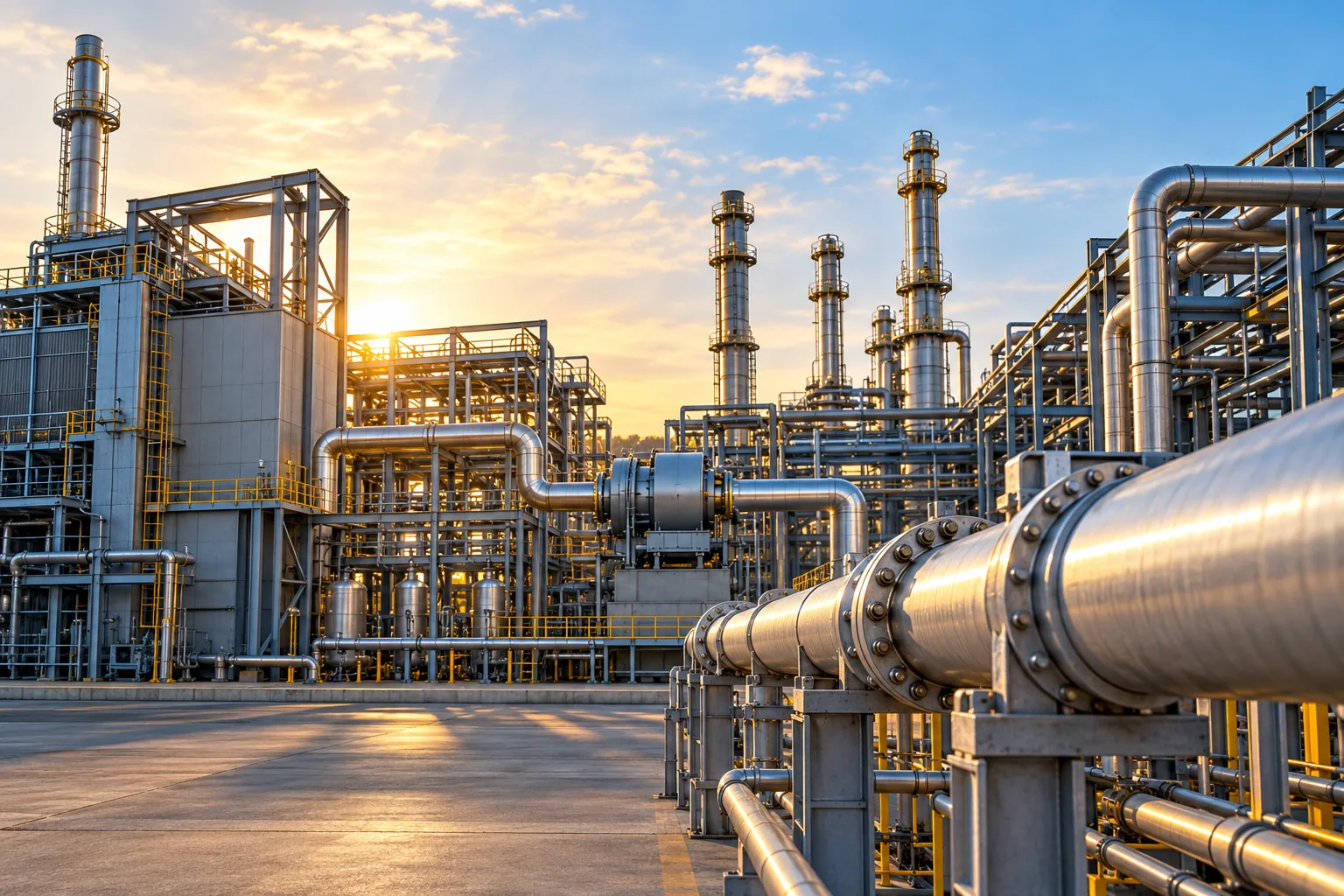
Cogeneration is built around a simple idea: use the same energy input to generate both electricity and useful heat.
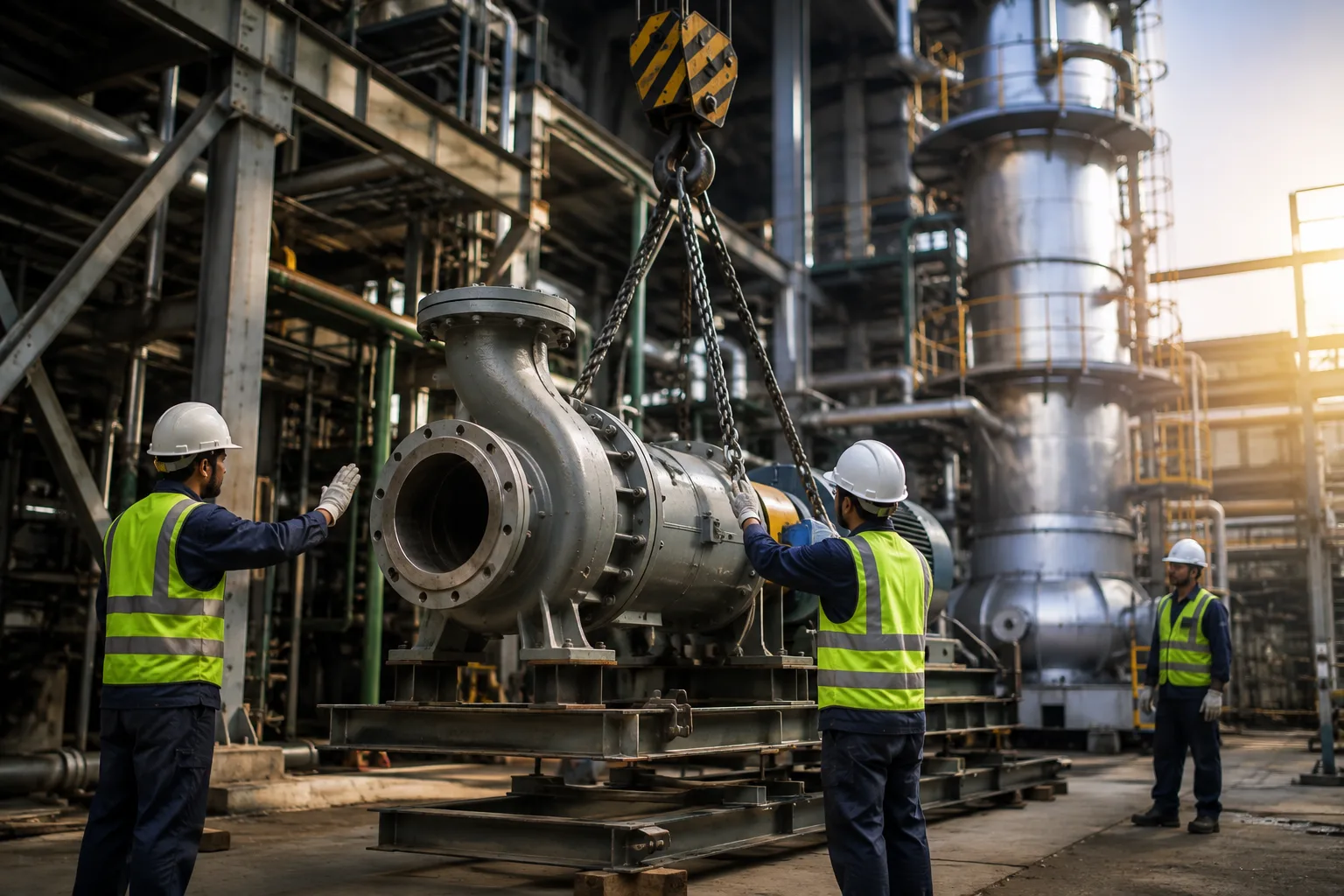
A boiler may be one component within a larger industrial facility, but erecting one is far more than placing equipment in position.
For a major plant project, the contracting model can be as important as the engineering behind it. It determines who carries the execution risk, how much control the owner retains, and how much certainty there is around cost and delivery.
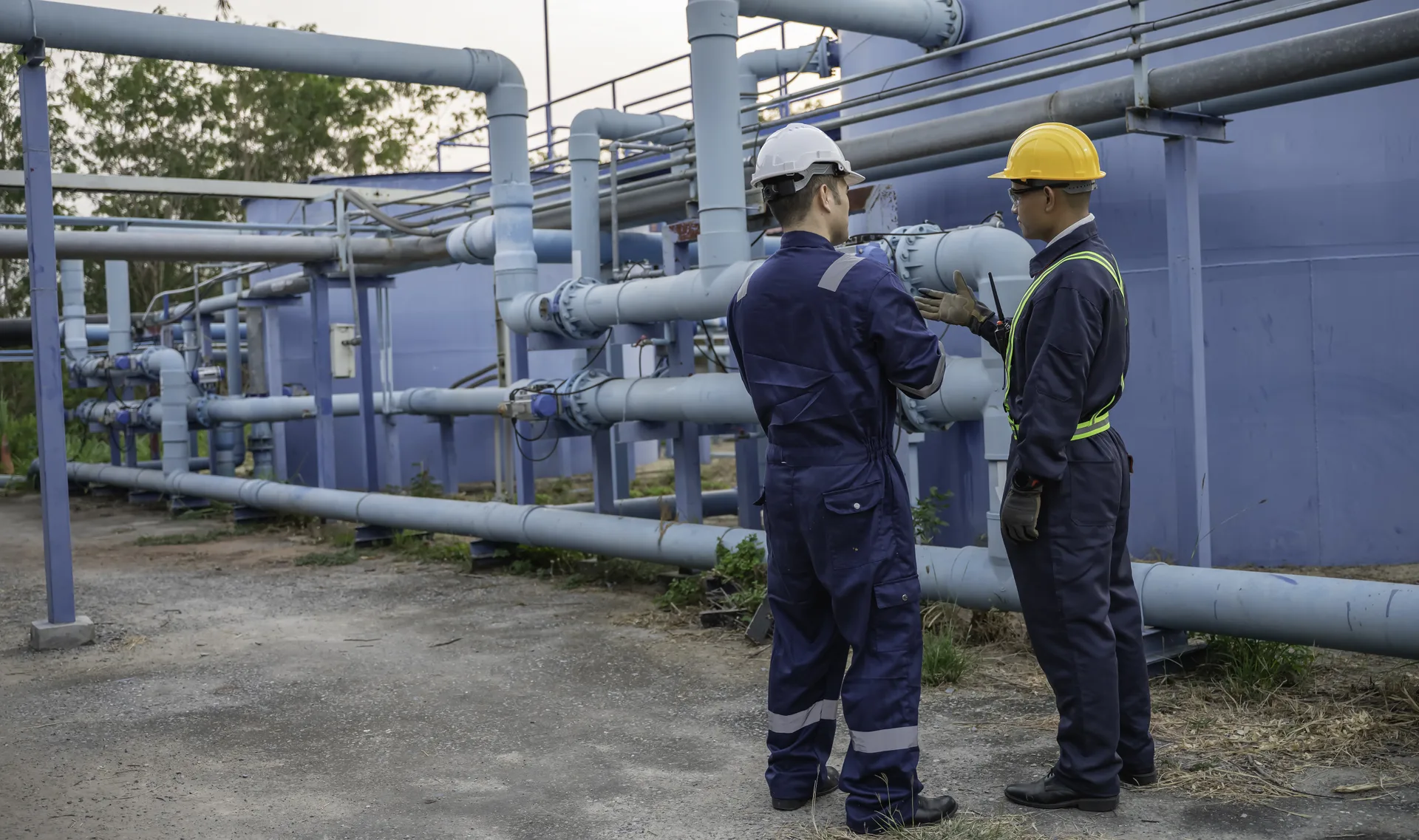
For over three decades, Southern Engineering Erectors (SEE) has designed, fabricated, and executed piping systems that keep industries running safely and efficiently.
Most industrial projects do not fail because of weak engineering or insufficient construction capability. They fail because execution activities lose alignment — and the decisions that cause those problems are made months earlier, during contractor selection.
