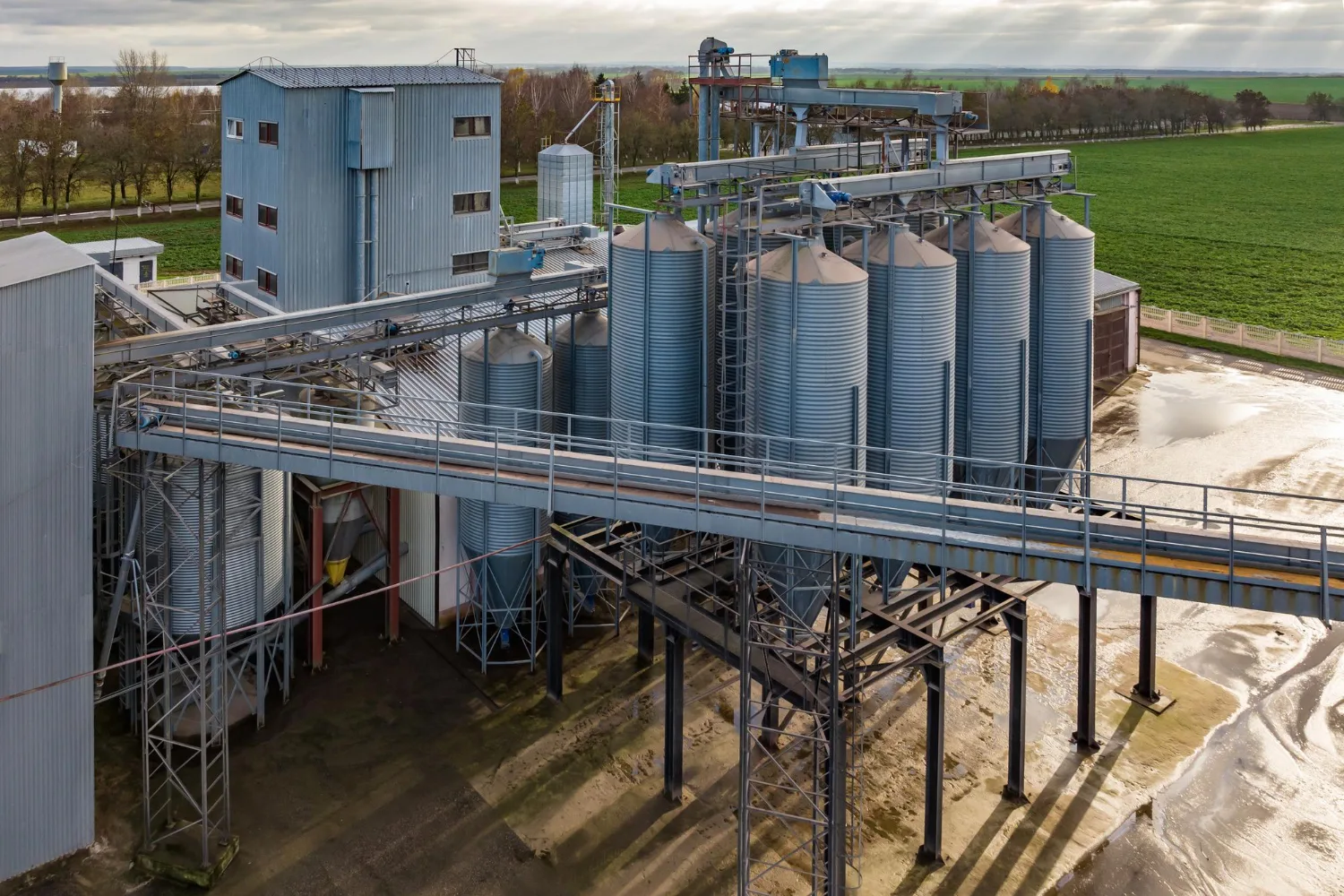
India’s sugar plants are becoming increasingly integrated, with modernisation, capacity expansion, cogeneration, distillery, and ethanol projects adding new layers of engineering and execution requirements. A successful project is therefore not only about installing equipment, but about making sure that piping, structures, utilities, process systems, and power systems work together as one operating facility, with the right interfaces managed throughout execution.
At Southern Engineering Erectors (SEE), our experience across sugar, distillery, cogeneration, power, and process plants gives us a practical understanding of these execution interfaces. From engineering and fabrication to piping erection, equipment installation, inspection, testing, and commissioning, each stage has a direct bearing on the next and needs to be coordinated accordingly.
This makes EPC contracting particularly important in the sugar industry. But what does the EPC scope actually cover, where do projects face the greatest challenges, and what should a sugar plant expect from its EPC contractor?
EPC stands for Engineering, Procurement, and Construction, but the practical scope in an industrial plant extends across several connected activities.
Depending on the project, an EPC contractor may be responsible for:
The exact boundaries depend on the contract package. A new greenfield sugar plant may require a much broader EPC scope, while a brownfield project may focus on specific process areas, utility systems, capacity upgrades, or plant modifications. The important point is that these activities are closely interconnected. Engineering decisions affect procurement, procurement affects fabrication, and fabrication directly influences erection. Any gap in this sequence can eventually show up during testing or commissioning.
Sugar plants have a combination of seasonal production, complex process systems, steam networks, utilities, and often integrated power or ethanol facilities. This creates execution conditions that are different from a straightforward industrial installation.
𝗕𝗿𝗼𝘄𝗻𝗳𝗶𝗲𝗹𝗱 𝗪𝗼𝗿𝗸 𝗔𝗱𝗱𝘀 𝗔𝗻𝗼𝘁𝗵𝗲𝗿 𝗟𝗮𝘆𝗲𝗿
Many sugar projects are carried out within existing plants.
New equipment and piping may have to connect to operating systems while working around existing structures, equipment, cable routes, and pipelines. Available space may be limited, and shutdown windows can determine when critical tie-ins are possible.
This is where site verification and constructability become important. A routing decision that looks practical during engineering may become difficult when actual site conditions are considered. Early site verification can therefore save considerable rework later in the project.
𝗣𝗶𝗽𝗶𝗻𝗴 𝗜𝘀 𝗮 𝗠𝗮𝗷𝗼𝗿 𝗘𝗣𝗖 𝗜𝗻𝘁𝗲𝗿𝗳𝗮𝗰𝗲
Piping connects many of the systems that keep a sugar plant operating.
Steam, condensate, water, process fluids, compressed air, and other utilities all require appropriate routing, supports, valves, connections, testing, and accessibility.
In cogeneration facilities, high-pressure steam systems add further engineering and compliance requirements. IBR piping requires particular attention to material selection, welding, inspection, testing, documentation, and applicable statutory requirements.
The challenge is therefore not simply to fabricate and install pipes. The piping system has to fit the equipment, accommodate operating conditions, remain accessible for maintenance, and integrate correctly with the wider plant.
Drawings and specifications provide the basis for execution, but actual site conditions can introduce constraints that are difficult to identify without proper field verification. Close coordination between engineering and site teams allows routing, supports, equipment connections, and installation sequences to be reviewed before fabrication progresses too far.
A project schedule can quickly come under pressure when critical materials or equipment are delayed. Material availability needs to be considered alongside fabrication and erection priorities. Fabricating components without a clear installation sequence can also create storage, access, or rework issues at site.
For an operating sugar plant, some work can only be carried out during planned shutdowns. Critical tie-ins therefore need detailed planning covering materials, manpower, tools, access, isolation, testing, and the sequence of work. The objective is not simply to complete the installation, but to complete the work within the available shutdown window and minimise disruption to the plant's return to operation.
Installation is only one part of EPC completion. Piping and equipment need to undergo the required inspections and tests before systems can be commissioned. Documentation, test records, punch-point closure, and system readiness also become important at this stage. A weakness in an earlier EPC activity can therefore surface during commissioning, when correcting it may be more difficult and time-consuming.
For plant owners, selecting an EPC contractor should go beyond the ability to execute individual activities. The contractor needs to demonstrate that it can manage the interfaces between them.
Key capabilities include:
For plant owners, clarity of scope is equally important. Battery limits, supply responsibilities, testing requirements, documentation, statutory approvals, commissioning responsibilities, and interface points should be defined before execution begins.
An EPC project should ultimately be viewed through the performance of the completed plant, not simply the completion of individual construction activities.
A well-engineered piping route can make installation easier. Proper fabrication control can reduce site rework. Effective interface management can prevent delays. Thorough testing can identify problems before commissioning.
These connections are particularly important in sugar plants, where process systems, steam networks, cogeneration, utilities, and allied facilities may need to operate together.
Southern Engineering Erectors (SEE) brings experience across engineering, fabrication, procurement, piping, equipment erection, inspection, testing, and commissioning for industrial projects.
Our work across sugar, distillery, cogeneration, power, and process facilities includes IBR and non-IBR piping, equipment erection, structural works, tanks, and associated plant installation.
For sugar plant EPC projects, this integrated execution approach connects engineering decisions with the practical requirements of fabrication and site execution.
Because in EPC contracting, the real challenge is rarely one individual activity. It is making sure that every activity connects correctly, from the first engineering decision through fabrication, erection, testing, commissioning, and ultimately plant operation.