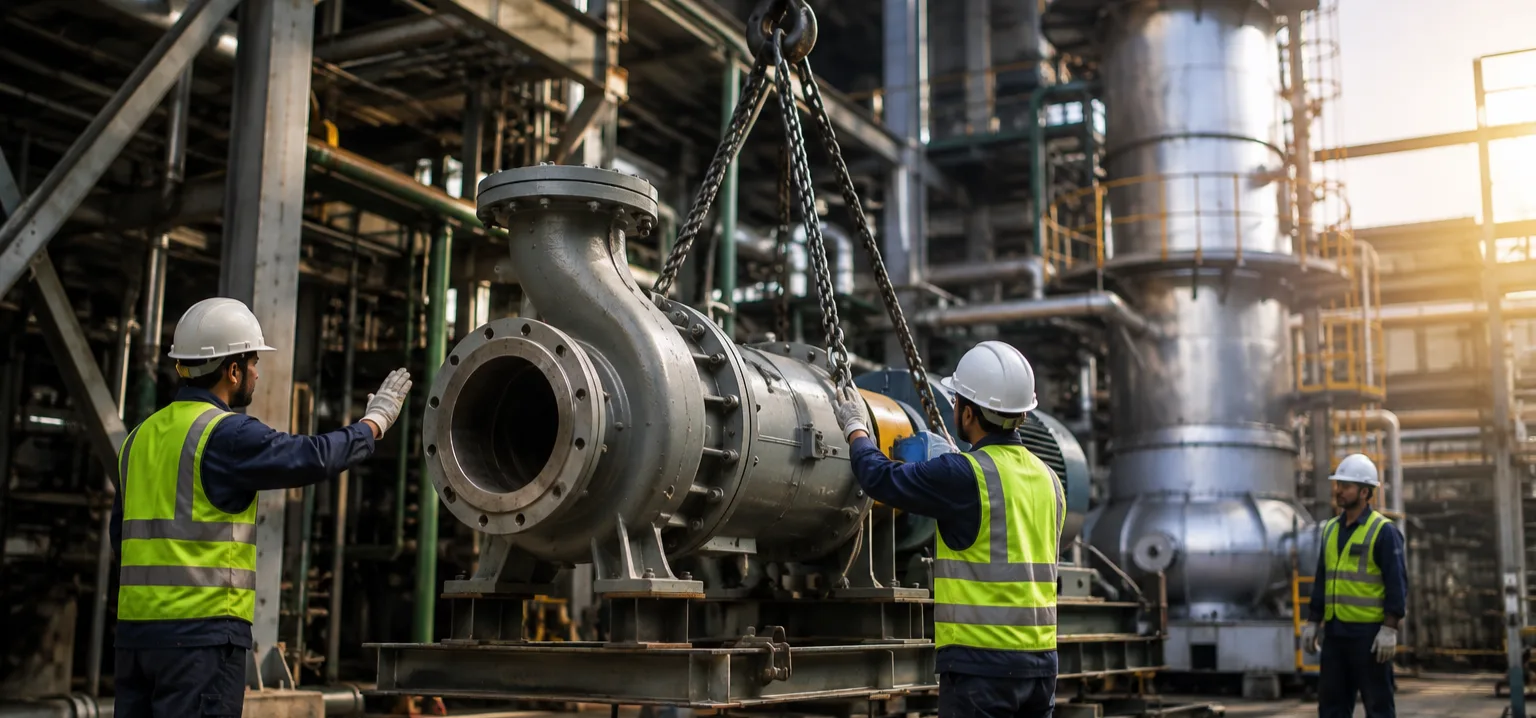
A boiler may be one component within a larger industrial facility, but erecting one is far more than placing equipment in position. It brings together structural work, heavy lifting, pressure-part installation, welding, piping, inspection, and commissioning. The challenge lies in coordinating these activities in the right sequence while maintaining control over safety, quality, and schedule.
The complexity increases further when the work takes place within an existing facility. Existing structures, connected systems, restricted access, and defined shutdown windows can all influence how the project is planned and executed.
With more than three decades of experience across power and process industries, Southern Engineering Erectors (SEE) brings together engineering and site capabilities spanning boiler systems, pressure parts, industrial piping, erection, inspection, and testing.
For projects at this scale, success depends not only on what gets installed, but on how the entire process is planned, sequenced, and controlled.
Effective boiler erection starts well before the first component is lifted into position. Several interdependent activities have to come together; from heavy lifting and heavy pressure component installation to welding, quality inspection, and piping integration.
Drums, headers, boiler tubes, economizers, and superheater coils need to be positioned and fitted accurately. Critical joints require controlled welding and inspection, while large components must be lifted and installed in a defined sequence. At the same time, the boiler has to be connected with steam, condensate, feedwater, and associated piping systems.
These activities directly influence one another. A fit-up issue can affect welding, a change in lifting sequence can affect access, and a piping interface problem can surface during testing or commissioning.
The challenge is therefore not any single activity, but coordinating the interfaces between them while maintaining safety, quality, and schedule. This becomes even more demanding when the installation takes place within an existing plant.
Replacing a boiler inside an established industrial facility is fundamentally different from a greenfield installation. The new system has to fit within a space where structures, equipment, piping, and utilities are already present and often still operating.
This creates constraints around access, lifting, installation areas, and connections to existing systems. The work may also have to be completed within a defined shutdown window to minimize disruption to plant operations.
The execution strategy therefore needs to account for:
In many brownfield projects, the first challenge is not installing the replacement; it is safely removing what is already there.
Dismantling an existing boiler is not simply a matter of cutting and removing steel. The structure was designed around specific load paths, and those can change as components are progressively removed.
A controlled dismantling strategy must determine what is removed, in what order, how components are supported, and how each stage affects the remaining structure and surrounding plant.
The dismantling plan needs to address:
The sequence is particularly important because removing one component can change the stability or load distribution of everything that remains. In a brownfield facility, dismantling is therefore a controlled engineering activity; not simply the removal of obsolete equipment. Where dismantling forms part of a replacement project, the removal strategy must also prepare the site for the erection work that follows.
Southern Engineering Erectors (SEE) brings engineering, fabrication, and site execution together for complex boiler and mechanical projects across the power and process industries.
Its experience spans pressure parts, boiler components, industrial piping, erection, inspection, testing, and project delivery; giving SEE the ability to manage the interfaces that can determine whether a project stays on track or encounters problems at site.
This becomes particularly important in brownfield projects, where dismantling an existing system, working around an operating plant, installing new equipment, and meeting a defined shutdown window are all part of the same execution challenge. Whether the requirement is new boiler erection, brownfield replacement, or controlled dismantling, SEE combines engineering expertise with on-site execution capability to manage these challenges as one connected project.
Because on a complex industrial site, successful execution is not just about getting every component in place. It is about making sure every stage works together; from the first lift to the final test.