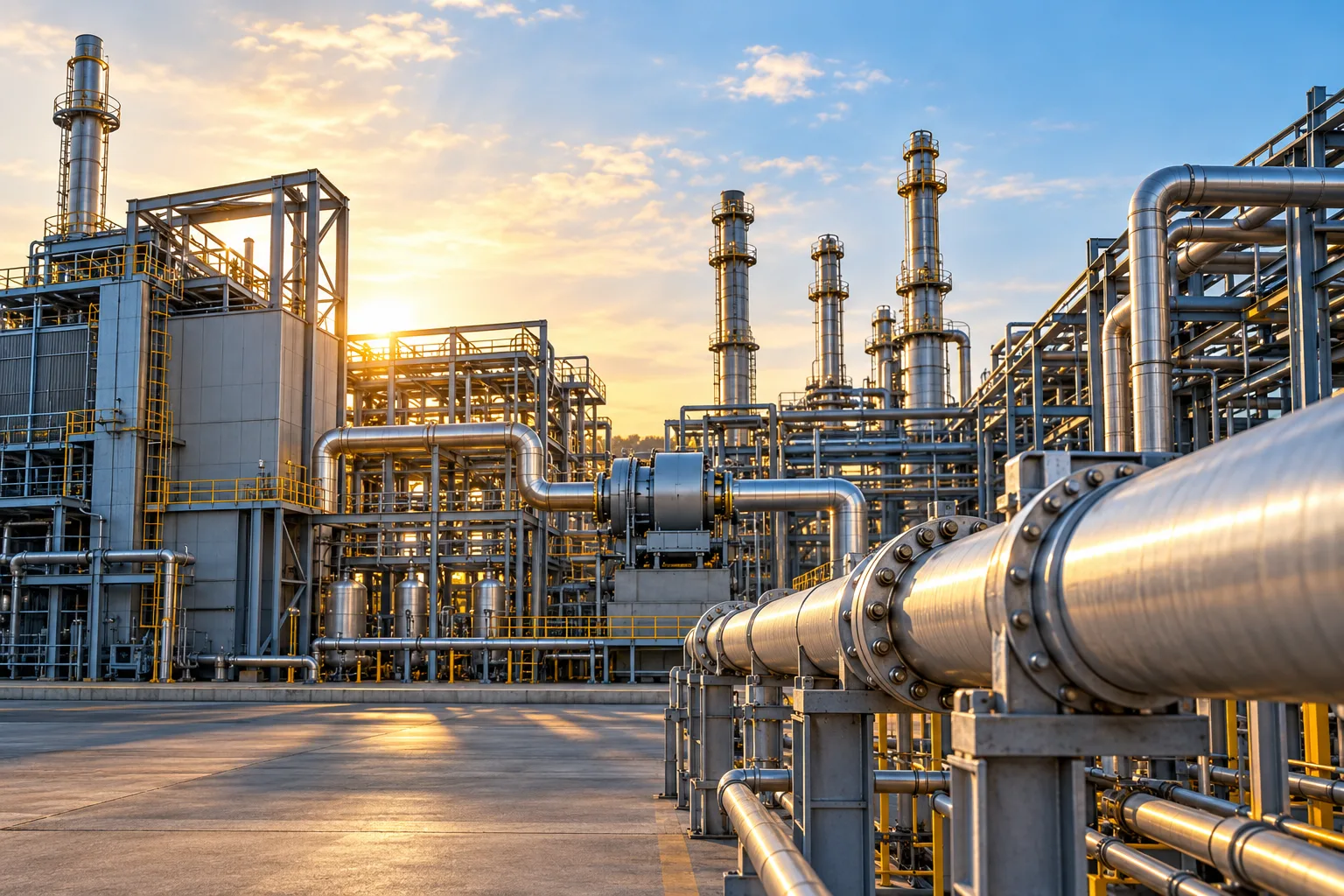
Cogeneration is built around a simple idea: use the same energy input to generate both electricity and useful heat.
But the efficiency of a cogeneration plant is not determined only by how that energy is generated. It also depends on how effectively that energy is moved through the plant and delivered where it is needed.
At Southern Engineering Erectors (SEE), we see this network as more than a means of connecting equipment. It is part of what keeps energy moving through the plant. In steam-based cogeneration systems, steam travels between the boiler, turbine, process users, and other plant systems through piping designed to operate under demanding pressure and temperature conditions.
The pipe may look like a connection between two pieces of equipment. But engineering it correctly is what helps keep energy moving efficiently and reliably through the plant.
For critical steam piping covered by IBR requirements, that engineering responsibility becomes even more significant. So, what goes into designing IBR piping for a cogeneration plant and how do those decisions affect plant performance?
In a cogeneration plant, steam is part of the energy pathway connecting power generation with process heat requirements.
Depending on the plant configuration, steam may be generated in a boiler, expanded through a turbine for power generation, and then supplied to process users or other plant systems. Condensate can then be recovered as part of the wider steam cycle.
For this network to perform effectively, several factors have to work together:
Because cogeneration plants may respond to changing electrical and thermal requirements, the steam network also needs to perform reliably across varying operating conditions.
When critical steam piping falls within the scope of the Indian Boiler Regulations (IBR), the challenge goes beyond designing a system that can withstand pressure and temperature.
Applicable requirements also cover materials, fabrication, welding, inspection, testing and statutory documentation. In other words, IBR piping has to do two things simultaneously:
Perform reliably in service and meet the applicable regulatory requirements.
That is why IBR piping cannot be treated as fabrication alone. Engineering decisions made at the beginning influence how the system will be fabricated, inspected, installed and ultimately operated.
Routing and sizing: The right pipe size and routing help manage pressure drop, steam velocity and heat loss while considering accessibility, drainage, supports and equipment connections.
Thermal expansion and stress: High-temperature steam lines expand and contract as operating temperatures change. Flexibility analysis, supports, guides and anchors help control this movement and prevent excessive stresses or loads from reaching the piping and connected equipment.
Materials and fabrication: Material selection and traceability, qualified welding procedures, welder qualifications, dimensional accuracy, and controlled fabrication practices all contribute to piping integrity. For IBR piping, supporting documentation and traceability are also important parts of the process.
Insulation and condensate management: Effective insulation helps minimize heat loss as steam travels through the plant. Proper drainage, line slope, steam traps and condensate recovery help manage condensate and maintain steam-system performance.
These engineering decisions are interconnected.
A pressure drop can affect steam availability to a process user. Poor thermal management can increase energy losses. Uncontrolled expansion can place additional loads on equipment. Inadequate condensate management can create operational disturbances.
A piping issue can become an equipment issue. An equipment issue can become an operational issue.
That is why critical steam piping needs to be viewed as part of the plant's overall performance not simply as infrastructure.
Reliable IBR piping requires continuity across the project lifecycle:
Design: Establish routing, sizing, materials, flexibility and support philosophy.
Material & fabrication: Maintain material traceability, qualified welding and dimensional control.
Inspection & testing: Verify piping integrity through applicable examination and testing processes.
Erection: Ensure alignment, supports, guides, anchors and equipment interfaces match the design.
Commissioning: Validate system performance and complete the required documentation and approvals.
For a cogeneration project, fabrication capacity alone is not enough. The right partner should be able to:
Because when piping carries the energy that keeps a cogeneration plant operating, the capability behind the piping matters as much as the pipe itself.
At Southern Engineering Erectors (SEE), our capabilities cover the critical steam piping lifecycle; from material selection and engineering, piping sizing and design, GADs and isometrics, and supply of pipes, fittings and valves to statutory documentation, IBR inspection and approval, fabrication, erection and testing.
With experience supporting IBR inspection and approval requirements across multiple states, SEE combines engineering, fabrication, inspection and site execution under a coordinated approach.
Because a cogeneration plant does more than generate energy. It moves that energy, controls it and puts it to work. And the piping network connects every part of that journey. When engineered with the right balance of performance, safety, compliance and execution, piping becomes more than infrastructure. It becomes part of the plant's efficiency and reliability.