

Turbine Generator Set Erection and Alignment: Choosing the Right Mechanical Contractor
Turbine generator erection is a precision-driven mechanical activity where installation quality can directly affect equipment reliability, vibration, maintenance, and long-term plant performance. Positioning the turbine and generator correctly is only the beginning. Foundation checks, shaft alignment, coupling, bearing clearances, piping interfaces, inspection, and commissioning all need to be carefully coordinated.
With more than 35 years of experience across sugar, distillery, cogeneration, power, and process industries, Southern Engineering Erectors (SEE) brings practical site experience to turbine generator erection and alignment. From equipment positioning and precision alignment to piping interfaces, inspection, testing, and commissioning support, our approach focuses on coordinating each stage to support reliable plant operation.
For plant owners and EPC contractors, choosing a turbine erection contractor should therefore involve more than comparing erection capacity or commercial quotations. Relevant rotating-equipment experience, alignment capability, OEM compliance, coordination with connected systems, quality controls, and execution planning can all influence the quality and efficiency of the installation.
Why Turbine Generator Erection Requires Precision
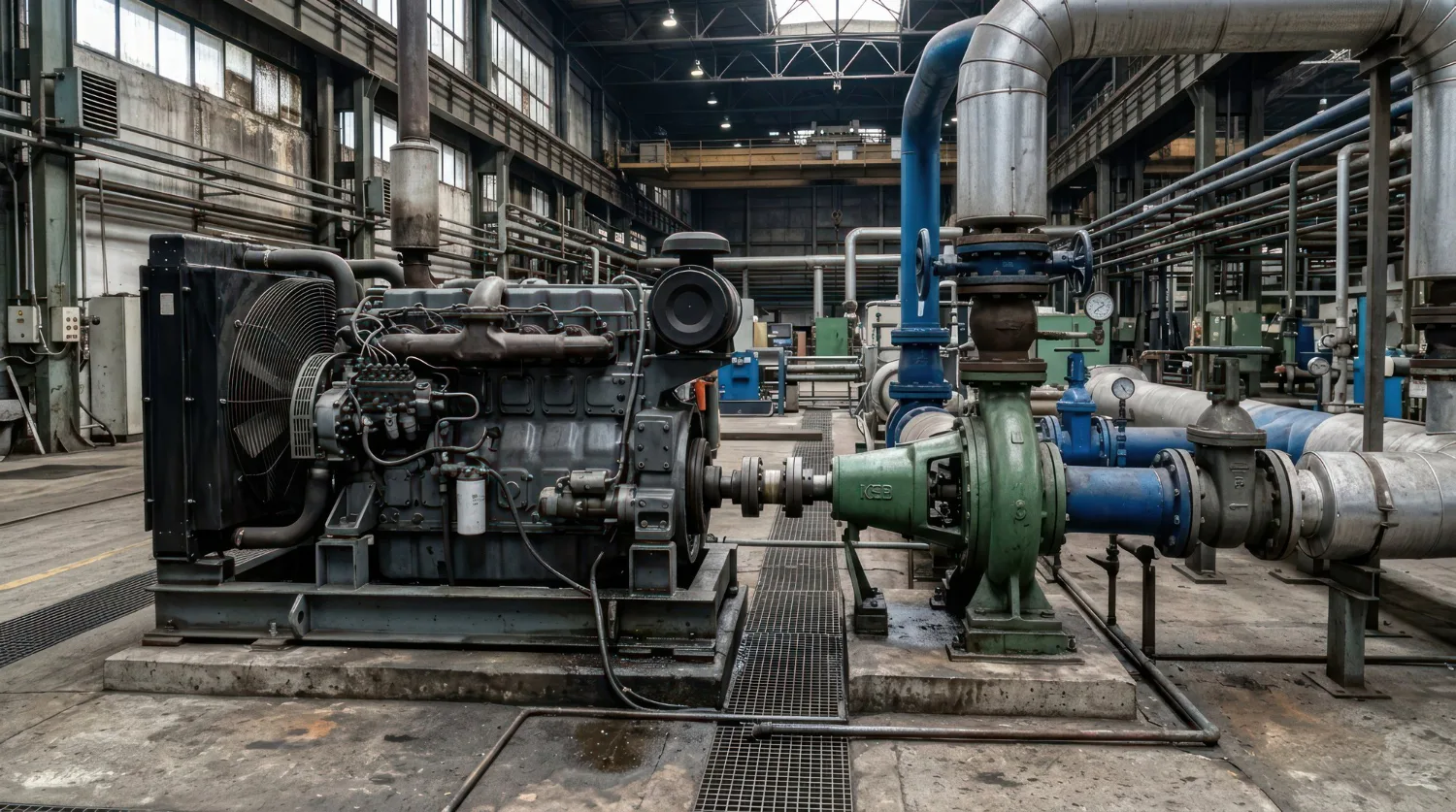
A turbine-generator set operates as an interconnected rotating system. The turbine, generator, coupling, bearings, gearbox where applicable, and associated auxiliary systems need to work within specified dimensional and operational requirements.
Before erection begins, the contractor should verify foundation elevations, anchor bolts, sole plates, equipment centerlines, support conditions, and other reference points. These checks establish the dimensional basis for subsequent equipment positioning and alignment.
A deviation in foundation or equipment positioning can create additional correction work later. Identifying such issues before the equipment is fully installed can help reduce avoidable rework and maintain the planned erection sequence.
Turbine Generator Alignment
Alignment is one of the most critical stages of turbine-generator erection. It involves more than simply matching shaft centerlines. The contractor must consider parallel and angular alignment, shaft position, bearing conditions, coupling requirements, and the manufacturer's specified tolerances.
Depending on the equipment configuration, alignment activities may include:
- Equipment elevation and centerline checks
- Shaft and coupling alignment
- Bearing and rotor measurements
- Soft-foot checks
- Axial positioning
- Thermal growth considerations
- Final alignment verification
Alignment measurements should be recorded at different stages of installation. If grouting, bolt tightening, piping connections, equipment adjustments, or other activities can alter equipment position, alignment should be rechecked. OEM installation procedures should always govern the applicable tolerances and measurement methods.
Thermal Growth and Operating Conditions
Turbine components can experience dimensional changes as operating temperatures increase. The final installation therefore needs to consider the manufacturer's specified cold alignment targets and expected thermal movement.
Cold alignment measurements should be considered in relation to the equipment's expected operating movement, rather than treated as the only reference for final installation
A contractor should understand the equipment's expected operating movement and the manufacturer's specified requirements. This makes familiarity with OEM procedures experience and with comparable turbine-generator configurations particularly important when selecting a contractor.
Piping and Auxiliary-System Interfaces
Turbine erection cannot be considered independently of connected piping and auxiliary systems.
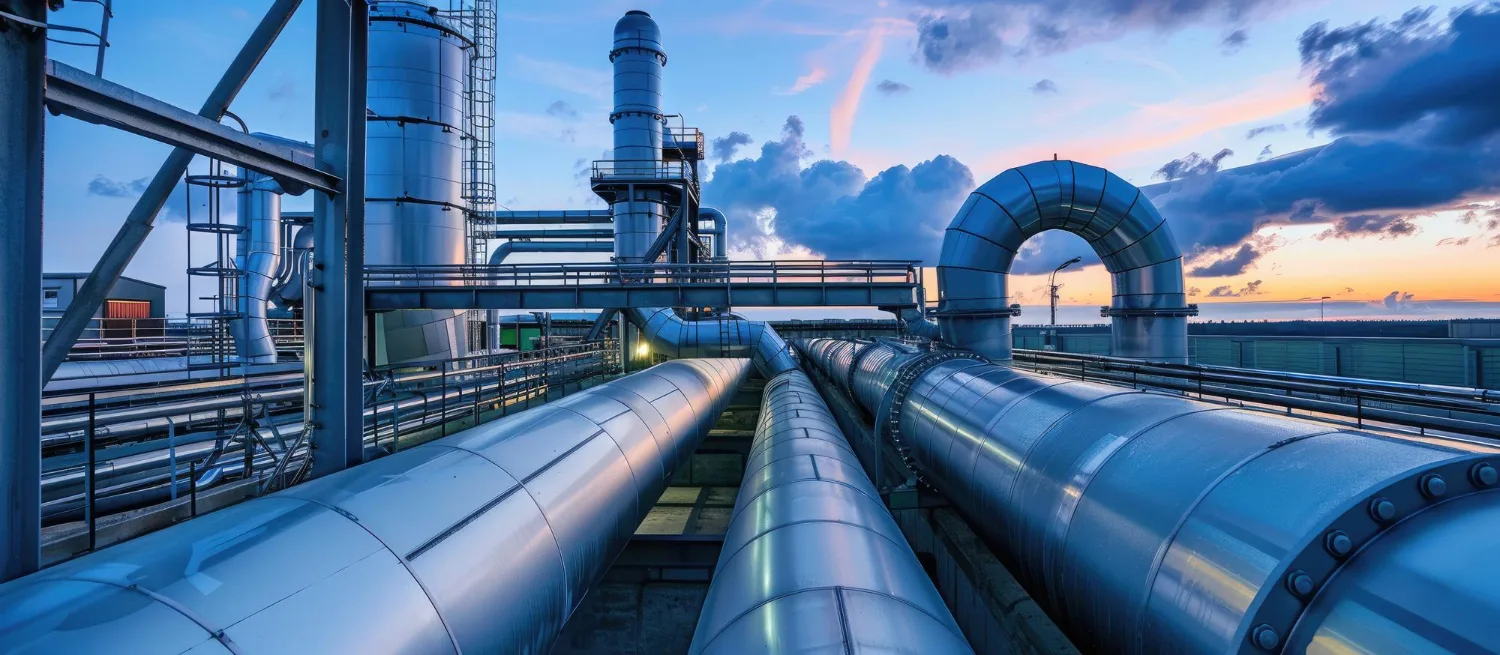
Steam, exhaust, lubrication, cooling water, condensate, gland sealing, extraction, and other connections need to be installed without introducing unacceptable loads or movement into the rotating equipment.
Mechanical and piping teams should therefore coordinate the installation sequence carefully. Following final piping connections, dimensional and alignment checks may be required to confirm that equipment position has not changed.
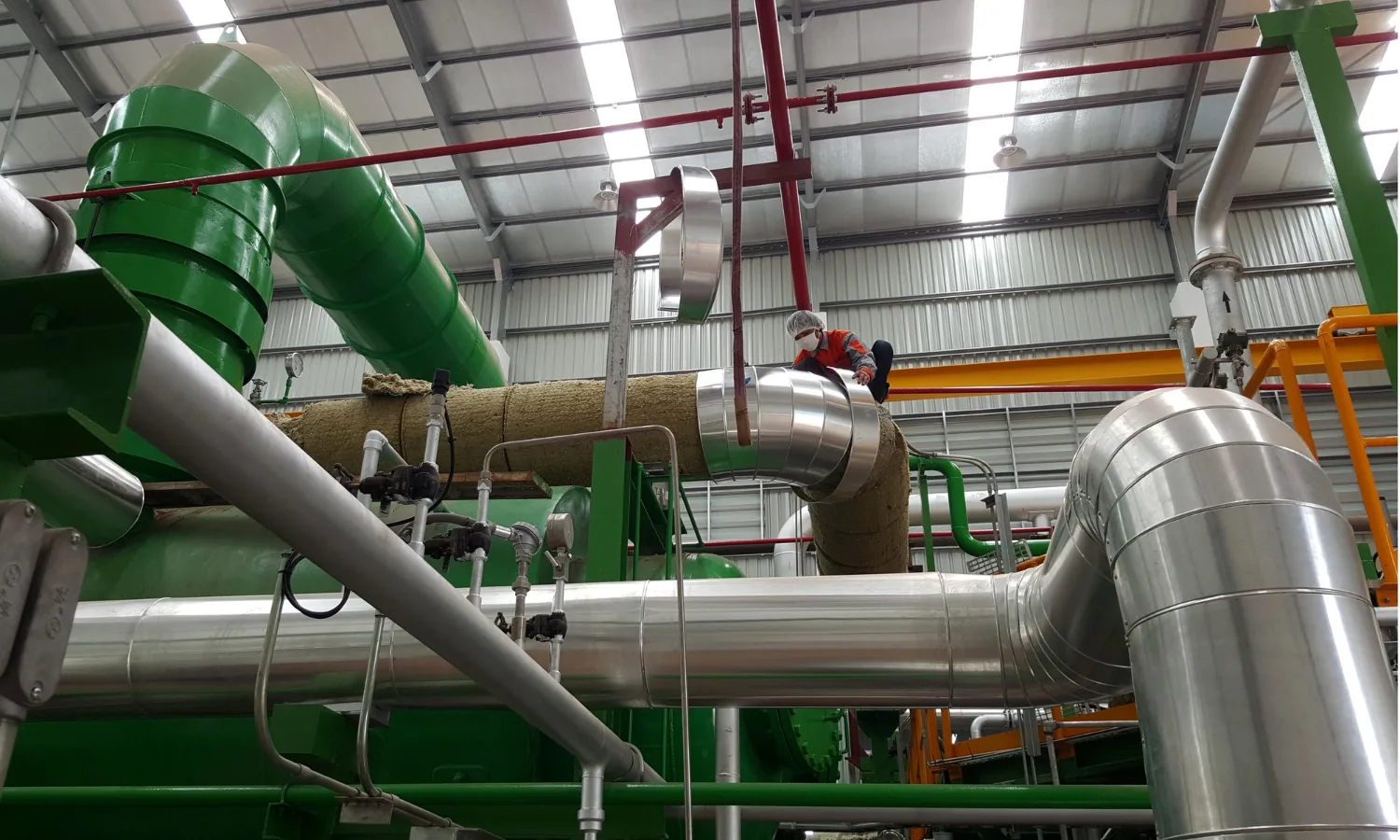
This interface is an important consideration when selecting a contractor, particularly for projects where mechanical erection and industrial piping are being executed simultaneously.
QA/QC During Erection
Quality control should continue throughout the erection process rather than being limited to the final inspection.
A project-specific Inspection and Test Plan (ITP) may cover:
- Foundation and equipment positioning
- Baseplate and sole-plate checks
- Bolt tightening and grouting
- Bearing installation
- Rotor and shaft inspections
- Shaft runout
- Coupling alignment
- Piping interface checks
- Lubrication-system readiness
- Final mechanical inspection
- Pre-commissioning requirements

Alignment readings, dimensional measurements, inspection records, and equipment-related documentation should be maintained as part of the project quality records. These records provide traceability for critical installation activities and can support subsequent testing, commissioning, troubleshooting, and maintenance requirements.
How to Choose the Right Mechanical Contractor
Selecting a turbine erection contractor should involve more than comparing commercial quotations. The contractor's technical capability, execution methodology, quality controls, and experience with comparable equipment and site conditions should also be evaluated.
- Experience with Turbine and Generator Systems
Look for experience with similar turbine-generator equipment, capacities, industries, and site conditions. General mechanical erection experience is useful, but precision rotating-equipment experience is particularly relevant. The contractor should also understand the sequence required to move from foundation readiness and equipment positioning through alignment, connected-system installation, inspection, and final checks.
- Alignment Capability
The contractor should have experienced alignment personnel and suitable measurement equipment. More importantly, the team should understand how to interpret readings and make controlled corrections according to OEM procedures. A disciplined alignment process should include appropriate measurement, recording, verification, and rechecking at relevant stages of installation.
- OEM and Drawing Compliance
The contractor should be capable of working from equipment drawings, erection manuals, alignment procedures, inspection requirements, and commissioning instructions. Where site conditions require changes to the planned installation sequence, such changes should be assessed against the applicable equipment requirements rather than treated as independent site decisions.
- Mechanical and Piping Integration
A contractor that understands both rotating equipment and connected plant systems can better coordinate equipment erection with steam, cooling, lubrication, condensate, and other piping activities. This integration is particularly important because final piping connections can affect equipment position and may require subsequent dimensional or alignment verification.
- QA/QC and Documentation
Alignment reports, inspection records, dimensional checks, bolt-tightening records, and commissioning documentation provide evidence that critical installation activities have been properly completed. A structured documentation process also provides traceability for key installation and verification activities throughout the project.
- Safety and Execution Planning
Turbine erection involves heavy lifting, precision work, temporary supports, restricted work areas, and multiple site teams. A clear erection methodology and coordinated safety plan are essential. The execution plan should address the sequence of work, lifting and handling requirements, access arrangements, temporary supports, inspection points, and coordination among relevant site teams.
Greenfield and Brownfield Considerations
The requirements can vary considerably between new installations and existing facilities.
In a greenfield project, equipment access, foundations, lifting arrangements, and work sequencing can generally be planned around the new installation. Brownfield projects may involve restricted access, existing piping and equipment, shutdown windows, dismantling, and additional coordination. Existing site constraints can also affect lifting, equipment positioning, work sequencing, and access to installation areas.
For brownfield work, contractor experience in dismantling, lifting, modification, and installation within operating industrial facilities becomes especially valuable. The contractor must be able to work within these physical and operational constraints while maintaining the required installation and quality controls.
How Southern Engineering Approaches Turbine Generator Erection
Turbine-generator erection demands precision at every stage, from foundation readiness and equipment positioning to final alignment and commissioning. Southern Engineering Erectors (SEE) brings these activities together through coordinated mechanical execution, with attention to alignment, connected piping systems, inspection, testing, and site interfaces.
SEE applies the execution discipline required to coordinate critical mechanical activities throughout the turbine-generator installation process, with close attention to project specifications, site conditions, and installation requirements.
This includes maintaining attention to equipment positioning, alignment requirements, connected mechanical systems, inspection points, and project-specific installation procedures as the work progresses.
For plant owners and EPC contractors, this integrated execution capability can be important when multiple mechanical activities need to progress in sequence without compromising equipment alignment, installation quality, or project requirements.